
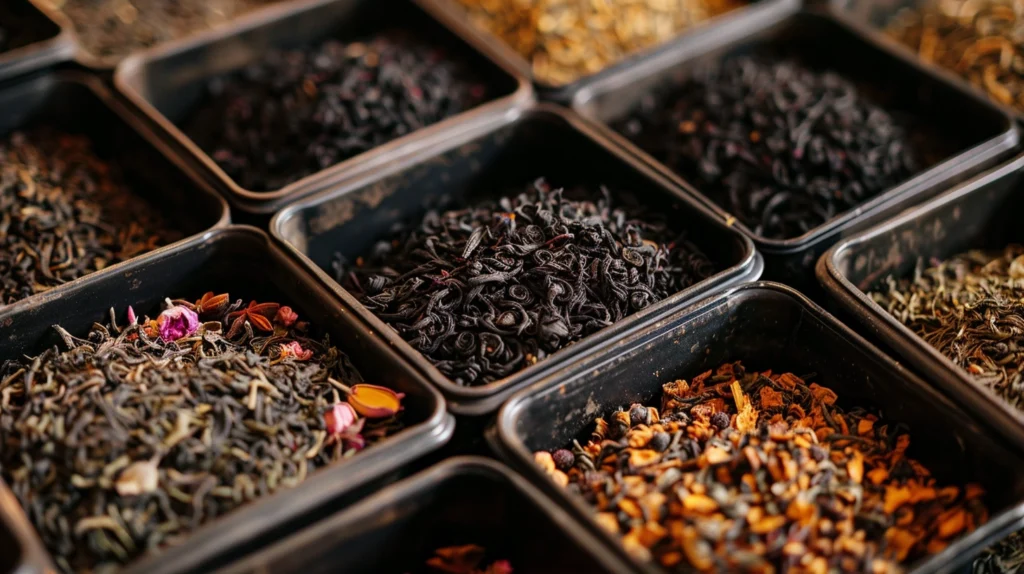
You open the tea cupboard and hesitate. On one side sits your familiar black-tea tin—comforting, dependable. On the other glows a vibrant turmeric-ginger “immunity elixir” splashed all over Instagram. Which one belongs in your mug today?
Functional teas—blends boosted with adaptogens, vitamins, or gut-friendly botanicals—have surged from niche wellness shops to mainstream supermarket aisles. But how do they truly stack up against time-honored brews like black or green tea? And when does it make sense to reach for one over the other?
In this post we’ll compare traditional teas’ centuries-deep ritual and antioxidant pedigree with the purpose-driven promises of functional blends. By the end you’ll know exactly which cup to choose for energy, calm, immunity, or simple flavor joy—plus how to brew each for maximum benefit.
(If you’d like a refresher on the classics first, see our guide “Black Tea vs. Green Tea: Which One Is Better for You?” Internal Linking Strate…. For more on the wellness trend itself, check out “Sipping Towards Health: The Rise of Functional Teas.” Internal Linking Strate…)
Traditional Brews: Heritage in a Cup
Black, Green, Oolong, White — a Lightning-Fast Refresh
Think of classic teas as siblings from one botanical family (Camellia sinensis) whose personalities were shaped by oxidation and terroir. Black tea is fully oxidized, yielding bold malt and brisk caffeine. Green tea skips oxidation, so its grassy sweetness protects more catechins and L-theanine for smooth focus.
Oolong dances in the middle with layered florals, while delicate white tea is barely processed at all, preserving a whisper-light body. Each delivers an antioxidant pedigree proven over centuries of daily sipping and study.
For a deeper flavor-and-health comparison of the two most popular workhorses, peek at “Black Tea vs. Green Tea: Which One Is Better for You?” Internal Linking Strate…
Ritual & Culture: More Than a Beverage
Traditional brews are anchors of ceremony and community: a whisked bowl of matcha that opens Japanese chadō, a gongfu oolong session that slows conversation in Fujian, a British afternoon spread that punctuates the workday. These rituals teach patience, mindfulness, and hospitality—benefits you feel even before the first sip.
If you love the stories behind these practices, explore “What Are the Most Fascinating Global Tea Ceremony Traditions Around the World?” Internal Linking Strate… for inspiration you can adapt at home.
Why It Matters in the Functional-Tea Era
Understanding the pedigree of traditional teas gives you a flavor baseline and wellness benchmark. When a functional blend touts “extra antioxidants” or “calming adaptogens,” you can weigh that claim against the already-robust benefits of a simple orthodox leaf.
In other words, appreciating grandma’s Darjeeling helps you judge that neon-label immunity latte on its actual merits—not just the marketing sparkle.
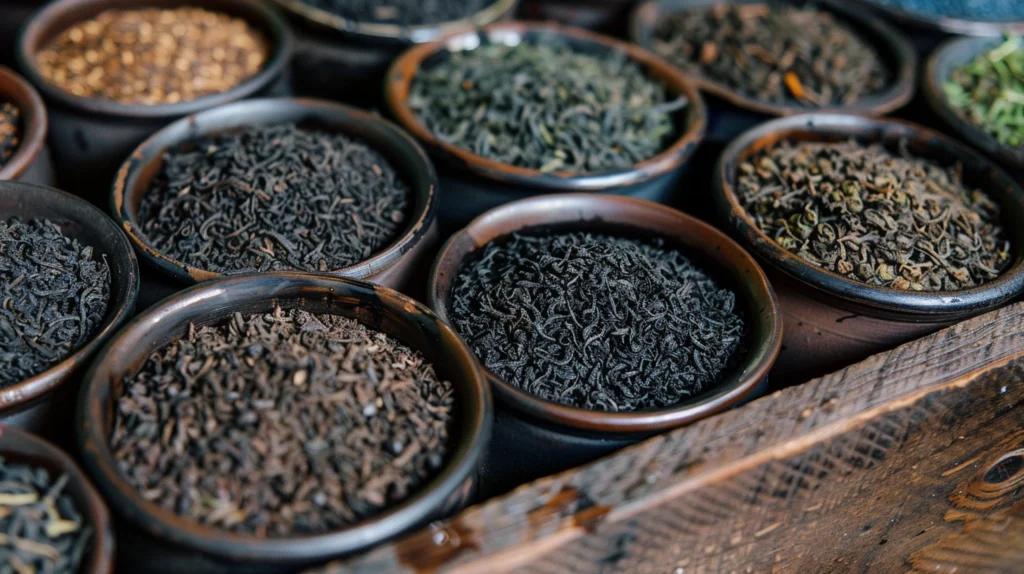
Image idea (optional): a side-by-side flat-lay of four loose-leaf piles—black, green, oolong, white—on a neutral background. Alt text: “Four classic loose-leaf teas showing color and texture differences.”
Functional Teas: Purpose-Driven Potions
What Makes a Tea “Functional”?
If traditional brews are nature’s originals, functional teas are their bio-hacked cousins. A tea earns the “functional” badge when its recipe is intentionally fortified—think adaptogens, vitamins, minerals, probiotics, or extra botanicals—so every sip targets a specific wellness goal. The result? A beverage that promises more than hydration or comfort; it aims to perform for you.
Four Hot Categories & Quick Examples
- Adaptogenic Balance
Why: Stress resilience and mental clarity.
Sip: Ashwagandha-matcha latte or reishi-rooibos evening brew.
- Digestive Harmony
Why: Calm bloat, ease after-meal discomfort.
Sip: Fennel-peppermint blend—our readers love the soothing power outlined in “Sip Away Bloat Fast: Fennel Tea for Digestion” (internal link).
- Immunity Armor
Why: Antioxidant reinforcement during cold-and-flu season.
Sip: Turmeric-ginger with a hibiscus-vitamin-C twist (a star player in our “7 Viral Tea Gadgets” post’s golden-latte section).
- Beauty & Detox Support
Why: Skin glow, gentle liver love.
Sip: Dandelion-green rooibos or nettle-peppermint “cleansing” infusion—previewed inside “Brew a Cleaner Cup: 5 Zero-Waste Tea Brewing Hacks”.
How They’re Formulated
Brands start with a base leaf—often green, herbal, or caffeine-free rooibos—then layer functional add-ins. These can be powdered botanicals (like cacao + lion’s mane), micro-encapsulated vitamins, or even synbiotic cultures for gut health. The blends are usually lab-tested to validate claims such as “rich in 200 mg polyphenols” or “contains 2 billion CFU probiotics.”
Flavor Trade-Offs
Because every add-in alters taste and texture, many companies sweeten with monk fruit or stevia, or lean on warming spices (cinnamon, cardamom) to mask an earthy mushroom bite. That’s fine—just scan for hidden sugars or artificial flavors so wellness gains aren’t offset by unnecessary extras.
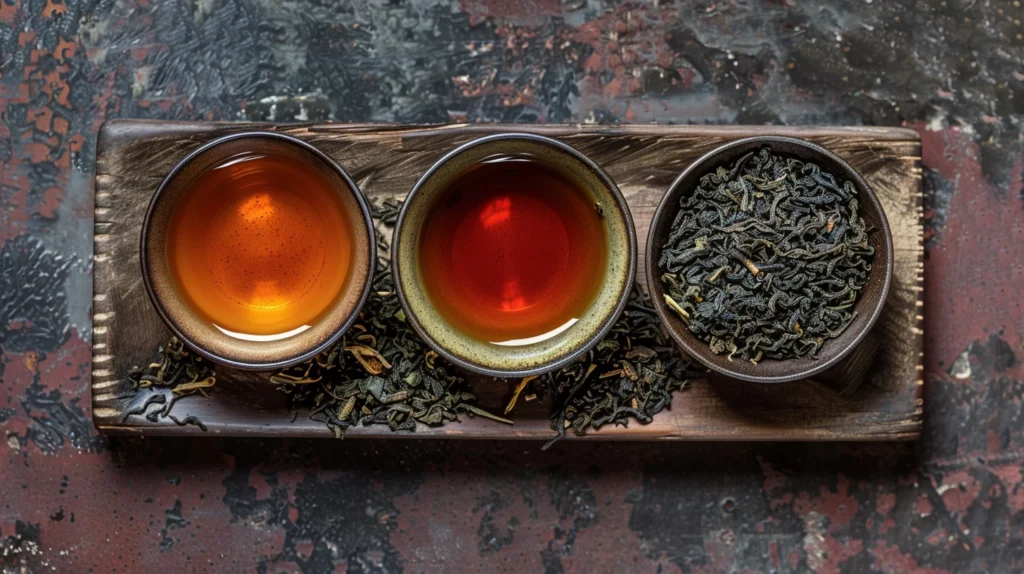
Image idea: A tidy grid of four clear mugs, each labeled “Stress,” “Digestion,” “Immunity,” “Detox,” with distinct tea colors (matcha green, fennel gold, turmeric orange, dandelion amber). Alt text: “Four functional teas in glass mugs, each addressing a specific wellness goal.”
So what? Functional teas can be smart tools—but only if you match the right blend to the right moment. Up next, we’ll pit them head-to-head with classic brews to see which cup truly wins on nutrition, cost, and sustainability.
Showdown: Functional Teas vs. Traditional Brews
At a Glance—Which Cup Wins Where?
| Factor | Traditional Brews | Functional Teas |
|---|---|---|
| Nutrient Density | Naturally rich in catechins, theaflavins, L-theanine. | Adds adaptogens, vitamins, probiotics for targeted boosts. |
| Flavor Complexity | Terroir-driven nuance; oxidization shapes malt, grass, florals. | Purpose > palate, so spices & sweeteners often mask earthy add-ins. |
| Caffeine Profile | Predictable range (0 mg herbal → 70 mg black). | Can be decaf or stacked—check labels for yerba mate or guarana. |
| Price per Cup | $$ to $$$ depending on origin and harvest grade. | $$–$$$$ (fortification, lab testing, and branding drive cost). |
| Sourcing & Sustainability | Heritage estates moving toward organic, fair-trade. | Trendy brands highlight regenerative farming but sometimes lean on buzzwords—verify certifications. |
Key Takeaways
- Nutrition: A plain sencha still outperforms many sugary functional lattes. But a well-formulated mushroom-cacao blend can deliver extra beta-glucans traditional leaves lack.
- Flavor: If you’re after terroir storytelling—Yunnan malt, Uji umami—stick with the classics. For a “task-oriented” sip (gut calm, stress reset), flavor can be secondary.
- Budget & Planet: Single-origin loose leaf often beats heavily packaged sachets on both cost and waste. Yet some functional brands now offer compostable tea-drop discs—worth hunting down if sustainability matters to you.
Image Spot #1: Infographic—split screen: left shows a hand-rolled oolong ball unfurling in a gaiwan; right shows an adaptogen-stacked latte with icons for vitamin C, zinc, and probiotics. Alt text: “Visual comparison of traditional loose-leaf oolong and fortified functional latte with nutrient icons.”
Why the Surge in Functional Teas?
1. Wellness‐First Mindset (Turbo-charged by 2020-onward)
Lockdowns made kitchen counters the new pharmacies. Searches for “immunity tea” and “stress relief drink” spiked 350 % on Google between March 2020 – 2023.¹ Functional blends promised an easy daily ritual that felt proactive—no pill organizer required.
2. Bio-Hacking & “Snackable” Science
Podcasts and TikTok explainers turned words like adaptogen, nootropic, and polyphenol into household lingo. When a mushroom-cacao latte claims “focus without jitters,” it speaks the same language as wearable sleep trackers and personalized vitamin packs. Our deep-dive on “7 Viral Tea Gadgets 2025” shows how tech-savvy gear pairs perfectly with these performance brews (internal link).
3. Ready-to-Drink Convenience
Cans of mint-chlorophyll “detox tea” now chill next to kombucha at Whole Foods. RTD functional teas grew 17 % YoY in the U.S., outpacing soda water and cold brew coffee.² Grab-and-go lowers the learning curve—no steep-time stress, no kettle required.
4. Story-Rich Branding & Social Proof
Bright labels shout “Focus,” “Glow,” or “Gut Love,” while influencers post before-and-after bloat videos. A classic Ceylon can’t compete with that dopamine scroll—unless you tell its regenerative-farm story (see “Sip Sustainably: 7 Benefits of Regenerative Tea Farms” for an eco angle worth sharing).
5. Pandemic-Era Supply Chain Shifts
Small herbal growers stepped in when global black-tea logistics hiccupped, giving ginger, turmeric, and ashwagandha more shelf space. Brands leaned local, then touted carbon-footprint perks—mirroring the zero-waste tips in “Brew a Cleaner Cup: 5 Zero-Waste Tea Brewing Hacks.”
So what? Functional teas didn’t just ride a health wave; they tapped into convenience, narrative marketing, and the broader “optimize everything” culture. But trendiness doesn’t guarantee fit for your needs—that’s where the next section’s decision guide shines.
Which Cup When? – Your Personal Sip-by-Sip Playbook
Morning Kick-Start (6–9 a.m.)
- Go Classic Green for clean caffeine + calming L-theanine that sharpens focus without jitters.
- Training day? Swap in a yerba-mate–matcha functional blend for an extra metabolic nudge.
- Internal read-next: “Cold-Brew Oolong How-To” shows how to prep a grab-and-go bottle the night before for hassle-free mornings.
Mid-Morning Focus (9–11 a.m.)
- Brain fog creeping in? Reach for a lion’s-mane mushroom + cacao latte—nootropic support with chocolate comfort.
- Prefer tradition? A lightly oxidized high-mountain oolong delivers sustained lift and floral aromatherapy in the same cup.
Post-Lunch Digestive Reset (12–3 p.m.)
- Banishing bloat is where functional shines: brew a fennel-peppermint digestive blend (see “Sip Away Bloat Fast: Fennel Tea for Digestion”).
- If you’re a purist, a small pot of aged pu-erh naturally aids fat metabolism and cuts through heaviness.
Afternoon Slump (3–6 p.m.)
- Energy crashing but caffeine curfew looming? Try an adaptogenic rooibos spiked with ginseng or schisandra—zero jitters, steady focus.
- Or reinvigorate ritual: practise a gongfu oolong session; the multiple short steeps keep hands busy and mind alert.
Evening Unwind (7–9 p.m.)
- Classic chamomile or jasmine white tea for gentle calm.
- For deeper relaxation, pick a valerian-lavender functional blend (our “Lavender Earl Grey Latte” recipe converts easily—just skip the espresso).
Bedtime Snooze-Support (after 9 p.m.)
- Make a caffeine-free reishi + ashwagandha moon-milk tea; whisk with warm oat milk and a dash of cinnamon.
- Zero fuss? Steep a traditional rooibos—naturally sweet and rich in sleep-friendly minerals.
Pro tip: Match the function of your tea to the moment you need it—energy early, digestion mid-day, calm at night. Keep a “tea toolbox” on your counter so the right sachet is always within reach.
Brew Like a Pro — Maximizing Every Leaf & Add-In
Water Temp & Steep Time Cheat-Sheet
- Delicate green / white: 160–175 °F (70–80 °C) for 1–2 min. Hotter water torches catechins, leaving bitterness instead of brain-boosting goodness.
- Oolong & classic black: 190–205 °F (88–96 °C) for 3–4 min. A quick rinse of oolong leaves (5 sec with hot water) wakes up aroma before the first real infusion.
- Herbal & heavy functional blends: Full boil 212 °F (100 °C) for 5–7 min. Longer contact time extracts stubborn roots (turmeric, ginger) and dissolves added vitamins more completely.
Cover-Steep to Trap the Good Stuff
Pop a saucer over your mug while steeping—those fragrant vapors carry stress-easing l -theanine, menthol, or gingerols that you want inside the cup, not in the air.
Blend Gently, Whisk Boldly
- Add powdered adaptogens (maca, ashwagandha) after the main steep; whisk with a handheld frother so they disperse instead of clumping at the bottom.
- For golden lattes, combine 1 tsp turmeric-ginger mix with 6 oz (180 ml) hot oat milk; froth 15 sec for café-style foam, sprinkle cracked pepper to boost curcumin absorption.
Cold-Brew Hack for Heat-Sensitive Nutrients
Some probiotics and vitamin-C–rich hibiscus blends degrade above 140 °F (60 °C). Toss 2 Tbsp loose tea in a mason jar, fill with filtered room-temp water, and fridge-steep 8 hours. Strain, then shake before each sip so functional “floaties” don’t settle.
DIY Concentrate = Fewer Bags, Less Waste
Steep triple-strength functional tea (3 sachets per 8 oz/240 ml) for the normal time, then refrigerate. Dilute 1 part concentrate to 2 parts hot water all week—perfect for quick desk refills and aligns with our eco tips in “Brew a Cleaner Cup: 5 Zero-Waste Tea Brewing Hacks.”
Flavor-First Latte Tricks
- Mask earthy reishi or cordyceps with ½ tsp raw cacao and a pinch of cinnamon.
- Drop in a dash of vanilla or a drizzle of maple syrup instead of stevia if you dislike lingering aftertaste.
- Top iced functional teas with a citrus twist; vitamin C not only brightens flavor but can enhance iron absorption from leafy bases like nettle.
Bottom line: The right temperature, timing, and finishing touch can preserve delicate antioxidants and make pricey functional add-ins actually taste crave-worthy.
Quality & Safety Check – Read the Label, Protect Your Health
Scan for Third-Party Seals
Look for USDA Organic, Fairtrade, or NSF Certified for Sport on any functional blend that claims “lab-tested potency.” These logos mean an independent auditor verified pesticide limits, heavy-metal safety, or accurate adaptogen dosage—not just marketing copy.
Dose ≠ More Is Better
- Adaptogens: Daily ashwagandha intake tops out around 600 mg of root extract; some trendy lattes sneak in 1 g per serving. Too much can upset thyroid balance.
- Caffeine Cross-Check: Functional “energy” sachets sometimes stack green tea, guarana, and yerba mate—climbing past 120 mg per cup. If you already drink coffee, note your total daily load.
- Added Vitamins: A single can of vitamin-C hibiscus iced tea may hit 200 % DV. That’s fine for immunity season, but pair it with a multi-vitamin and you could flirt with upper limits.
Herb–Drug Interactions to Watch
| Functional Add-In | Potential Conflict | Why It Matters |
|---|---|---|
| Licorice root | Blood-pressure meds | Glycyrrhizin can raise BP. |
| St. John’s Wort | Birth-control pills, SSRIs | Induces liver enzymes, lowering drug levels. |
| Turmeric | Anticoagulants (e.g., warfarin) | May enhance bleeding risk. |
If you’re on prescription medication—or pregnant, nursing, or preparing for surgery—check with a qualified professional before adding potent herbal blends. Traditional loose-leaf black or green tea is usually safer but still contains caffeine and tannins that can interfere with iron absorption.
Packaging & Shelf Life
Functional powders often include sensitive probiotics or vitamin C. Store them in an airtight tin, away from heat and light, and finish within three months of opening to keep CFU counts and antioxidant potency intact.
Rich-Snippet FAQ Block (copy/paste into your CMS)
html
Copy
Edit
<section itemscope itemtype=”https://schema.org/FAQPage”>
<h3>Frequently Asked Questions</h3>
<div itemscope itemprop=”mainEntity” itemtype=”https://schema.org/Question”>
<h4 itemprop=”name”>Can pregnant women drink functional teas with adaptogens?</h4>
<div itemscope itemprop=”acceptedAnswer” itemtype=”https://schema.org/Answer”>
<p itemprop=”text”>Most obstetricians recommend avoiding potent adaptogens like ashwagandha or licorice during pregnancy. Stick to mild herbal options such as chamomile or ginger, and always consult your healthcare provider first.</p>
</div>
</div>
<div itemscope itemprop=”mainEntity” itemtype=”https://schema.org/Question”>
<h4 itemprop=”name”>Do functional teas lose potency if I add milk?</h4>
<div itemscope itemprop=”acceptedAnswer” itemtype=”https://schema.org/Answer”>
<p itemprop=”text”>Casein in dairy can bind some polyphenols, slightly reducing antioxidant absorption. If you love a creamy latte, try oat or almond milk instead.</p>
</div>
</div>
</section>
Take-home: Treat functional teas like mini-supplements—check certifications, respect dosage, and verify they play nicely with your meds and lifestyle.
(Type next when you’re ready for the conclusion, CTA, and final image suggestion.)
You said:
next
ChatGPT said:
Thought for 11 seconds
Choose with Intention, Sip with Joy
Traditional brews ground you in centuries-old ritual; functional teas give you a modern, purpose-built boost. Neither is “better”—the winner is the cup that matches your moment. Keep a few classics for flavor and mindfulness, stock targeted blends for immunity, digestion, or calm, and you’ll never stare blankly at the cupboard again.
Ready to level-up your routine?
 Download our free “7-Day Functional Tea Jump-Start Plan.” You’ll get daily recipes, steeping hacks, and a printable calendar—plus once-a-week tea-lover emails (unsubscribe anytime). Then tag @TeaShotsClub with #FunctionalTeaChallenge so we can toast your new favorite brews!