
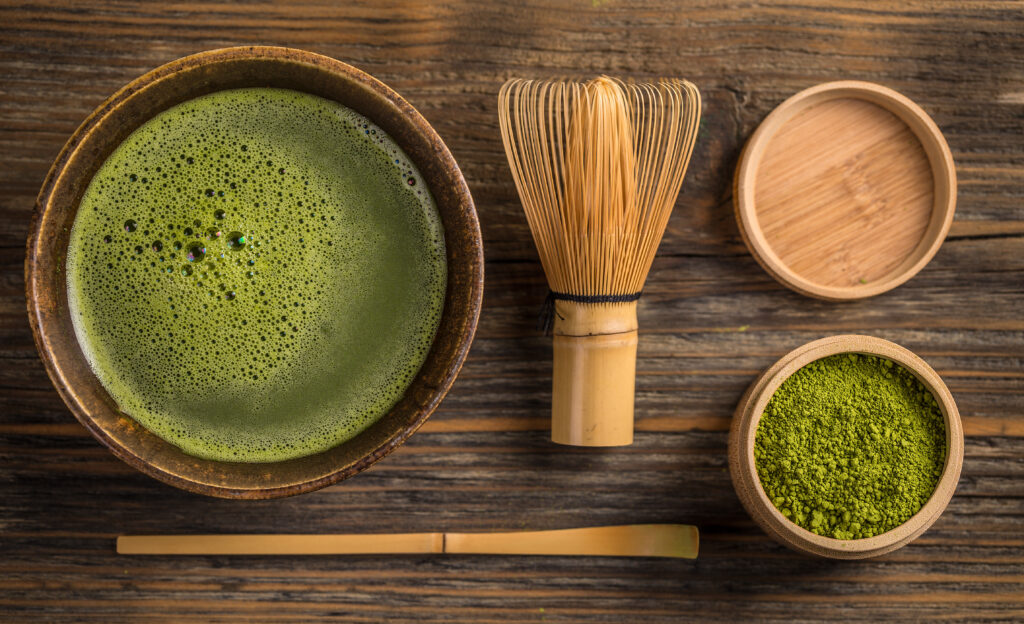
The Green Wave That’s Steeping Everywhere
You’ve seen it swirled into lattes, stirred into smoothies, even baked into cookies. But matcha is more than just a pretty powder—it’s a full-blown movement.
The Matcha Movement is rooted in ancient tradition but blooming in modern wellness circles. It’s not just about drinking green tea—it’s about pausing, choosing intentional rituals, and sipping something that supports your body and mind.
So why are so many people trading in their espresso shots for a frothy green bowl of matcha? The answer lies in a vibrant fusion of culture, calm, and chemistry. If you’ve ever wondered what the hype is about—or whether you should jump in—this post is your matcha map.
What Exactly Is Matcha?
Matcha isn’t your average green tea. It’s not steeped—it’s whisked. It’s not sipped casually—it’s honored in ceremony. And when you drink it, you’re consuming the entire leaf, not just a brew. That’s part of what makes it so potent—and so revered.
At its core, matcha is a finely ground powder made from specially grown green tea leaves. But it’s how those leaves are grown, harvested, and processed that makes all the difference. Farmers shade the tea plants for weeks before harvest to boost chlorophyll levels, giving matcha its signature vibrant green color and concentration of nutrients.
Originating in China and refined in Japan by Zen monks, matcha has been used for centuries to aid meditation, support focus, and energize the body in a calm, sustained way. Samurai warriors once drank it before battle. Today, you might sip it before a big meeting—or your morning yoga flow.
So what makes the Matcha Movement feel so different? It’s the deeper experience. Matcha invites you to slow down, be present, and savor every step—from sifting and whisking to that first, earthy sip.
The Health Buzz Behind the Matcha Movement
At the heart of the Matcha Movement is a promise that feels too good to ignore: clean, calm energy—without the crash. That’s not marketing fluff; it’s biochemistry.
Matcha is packed with EGCG (epigallocatechin gallate), a powerful antioxidant linked to everything from improved brain function to fat metabolism. But it’s the combo of caffeine + L-theanine that really makes matcha magical. You get the focus boost of caffeine, balanced by the calming, anxiety-soothing effects of L-theanine.
That’s why matcha delivers what many call “calm alertness”—a steady state of focus without the jitters or spikes you might get from coffee.
 Quick-Sip Benefits of Matcha:
-
- Clean, long-lasting energy (without the crash)
-
- Supports metabolism and fat oxidation
-
- High in antioxidants (especially EGCG)
-
- May boost focus and concentration
-
- Helps reduce stress while increasing alertness
FAQ Snippet
Q: Is matcha healthier than coffee?
A: It depends on what you’re looking for. Matcha has less caffeine than coffee, but more antioxidants and amino acids that promote a calm, sustained energy. It’s easier on the stomach, too.
Why Matcha Is the Poster Child of Modern Wellness
 So why is matcha winning hearts (and mugs)?
Because matcha isn’t just about health—it’s about how it makes you feel.
In a world that rushes us, matcha slows us down. Whisking a bowl of matcha feels like meditation in motion. It turns your daily drink into a moment of mindful ritual. And in the age of burnout and biohacking, that kind of presence is powerful.
Then there’s the aesthetic: the electric green, the ceramic bowls, the slow-pour reels. Matcha is highly photogenic, and social media has only accelerated its rise. But it’s more than looks. The versatility of matcha—lattes, iced drinks, smoothies, even skincare—makes it a go-to ingredient for anyone chasing glow from the inside out.
Reader Reframe: You don’t need to be a monk or a wellness guru to love matcha. You just need 5 minutes, hot water, and a little curiosity.
How to Join the Matcha Movement (Without Feeling Overwhelmed)
You don’t need a tea ceremony degree or a kitchen full of fancy tools to enjoy matcha. The beauty of the Matcha Movement? It meets you where you are.
Here’s how to get started—stress-free:
-
- Choose your matcha wisely
Look for ceremonial grade matcha if you plan to drink it straight (it’s smoother and less bitter). For smoothies or baking, culinary grade works great—and costs less.
- Choose your matcha wisely
-
- Get the basics (or keep it simple)
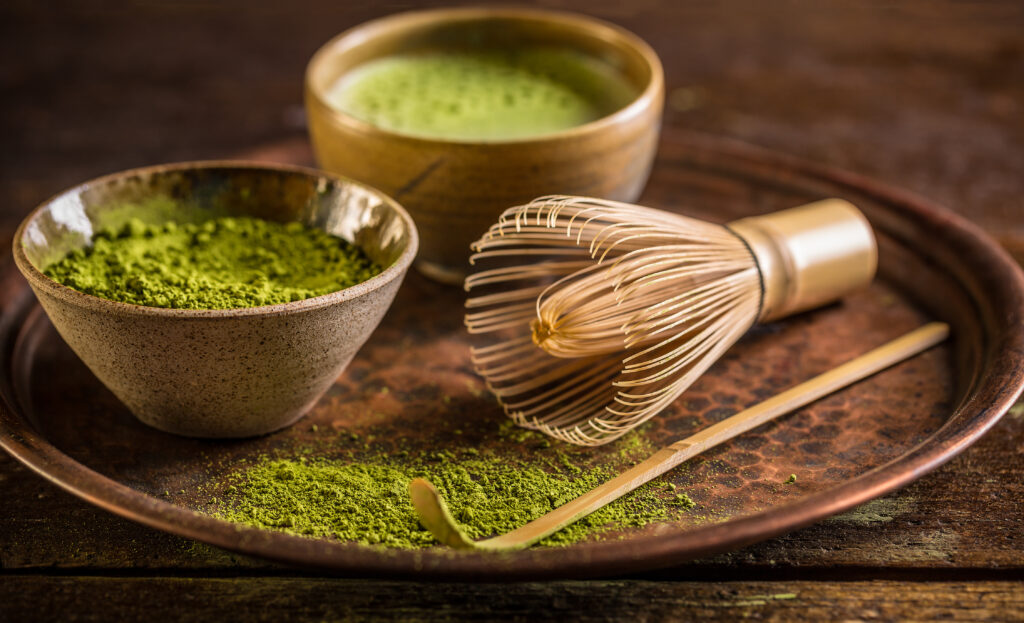
The traditional matcha toolkit includes:
- Get the basics (or keep it simple)
-
- A bamboo whisk (chasen)
-
- A scoop (chashaku)
-
- A fine sifter
-
- A ceramic bowl
But honestly? You can start with a mug, a spoon, and hot water. The ritual matters more than perfection.
-
- Try this 2-minute matcha ritual:
-
- Sift 1 tsp matcha into a bowl
-
- Add 2 oz hot (not boiling) water
-
- Whisk briskly in a zig-zag motion until frothy
-
- Add more water or steamed milk, sip, and breathe
-
- Don’t overthink it—just sip
Your first matcha may taste grassy. That’s okay. Add a little honey or vanilla almond milk if you’d like. This is your ritual—make it yours.
- Don’t overthink it—just sip
 For other feel-good sips, check out our “What Are the Japanese Matcha Ritual Basics—And How Can They Bring Mindful Calm to Your Morning?”
Final Sip –  Is the Matcha Movement Just a Trend?
Trends come and go—but matcha has staying power rooted in centuries of tradition. What’s happening now isn’t a passing craze—it’s a renaissance.
Matcha is showing up in modern ways, but its heart is still ancient: mindful preparation, intentional living, and nourishment for both body and mind. Whether you drink it for the energy boost, the antioxidants, or the Instagram aesthetic, matcha invites you to slow down, sip with purpose, and stay present.
In a world that’s constantly caffeinated and chaotic, the Matcha Movement is a gentle rebellion. And maybe—just maybe—that’s exactly what we need.